Everyone tells you to take a deep breath when you're stressed. It's such common advice that it sounds like a cliche. But unlike a lot of folk wisdom, this one actually holds up to scientific scrutiny.
I used to dismiss breathing exercises as too simple. How could something so basic make a real difference? Then I learned what's actually happening in your body when you breathe slowly and deeply.
The Diaphragm Connection
Your diaphragm is a dome-shaped muscle that separates your chest from your abdomen. When you breathe, it moves up and down.
Here's the key part: your vagus nerve runs right through your diaphragm. When you take deep belly breaths, the movement of the diaphragm physically stimulates the vagus nerve with each breath.
Shallow chest breathing barely moves the diaphragm. Deep belly breathing gives the vagus nerve a gentle massage with every cycle.
This is why "deep" breathing matters. It's not about filling your lungs completely. It's about engaging your diaphragm fully.
The Exhale Effect
The inhale and exhale do different things to your nervous system.
Inhale: Activates your sympathetic nervous system slightly. Heart rate increases a bit.
Exhale: Activates your parasympathetic nervous system. Heart rate decreases.
This is why extended exhale breathing works so well for calming down. When your exhale is longer than your inhale, you're spending more time in parasympathetic activation. Your body gets the message: slow down.
Research shows that breathing at about 6 breaths per minute (5 seconds in, 5 seconds out) maximizes this effect. That rhythm hits a resonance frequency where your cardiovascular and respiratory systems sync up optimally.
Baroreceptors and Blood Pressure
There's another mechanism at play. Your body has baroreceptors in your blood vessels that detect blood pressure. When blood pressure rises, they signal the brain to slow the heart down.
Deep, slow breathing affects blood pressure in a rhythmic way. This stimulates the baroreceptors, which in turn activate the vagus nerve and the parasympathetic response.
The whole system is interconnected. Slow breathing triggers multiple pathways that all lead to the same result: activation of your body's calming mechanisms.
CO2 Tolerance
When you breathe quickly and shallowly, you blow off too much CO2. This actually makes you feel more anxious, not less. Your body interprets low CO2 as a sign that something is wrong.
Slow breathing lets CO2 levels rise slightly. Paradoxically, this helps you feel calmer. It's one reason why holding your breath briefly (as in box breathing or 4-7-8 breathing) has an additional calming effect.
Over time, regular slow breathing practice increases your CO2 tolerance. This means you're less likely to default to anxious, shallow breathing when stressed.
Heart Rate Variability
Heart rate variability (HRV) is the variation in time between each heartbeat. Higher HRV is associated with better stress resilience and overall health.
Deep, slow breathing immediately increases HRV. This is one of the most direct and measurable effects of breathing exercises. If you have an HRV tracker, you can literally watch the numbers go up during a breathing session.
With regular practice, your baseline HRV improves. Your nervous system becomes more flexible and resilient even when you're not actively doing breathing exercises.
The Brain Effects
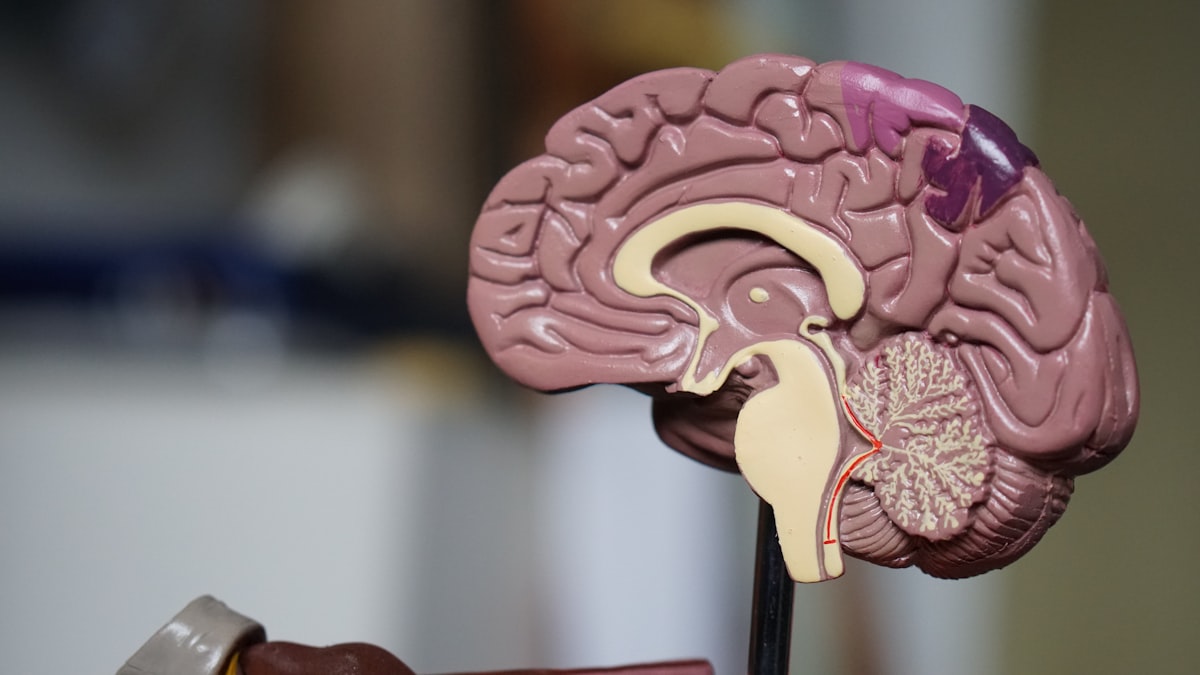
Slow breathing doesn't just affect your body. It changes brain activity too.
Research using brain imaging shows that slow breathing increases activity in areas associated with calm, focused attention. It decreases activity in areas associated with anxiety and rumination.
This might explain why breathing exercises help with focus as well as relaxation. You're shifting your brain state, not just your body state.
What Makes Breathing Exercises Effective
Based on the science, here's what matters:
Breathe from your belly. Engage your diaphragm. Put a hand on your stomach to make sure it rises when you inhale.
Slow down. Around 6 breaths per minute is the sweet spot for most people. That's about 5 seconds inhaling, 5 seconds exhaling.
Extend your exhale. Making your exhale longer than your inhale emphasizes the parasympathetic response.
Use your nose. Nasal breathing adds resistance that naturally slows breathing and increases nitric oxide production.
Be consistent. The benefits accumulate with regular practice. Daily sessions build long-term changes in your baseline nervous system state.
What Doesn't Matter
Some things people get hung up on that don't seem to matter much:
Perfect counting. Getting exactly 5 seconds versus 4.5 seconds isn't important. Approximate is fine.
Specific techniques. Box breathing, 4-7-8, coherent breathing all work. The principles are the same.
Doing it "right." If you're breathing slowly and deeply, you're getting the benefit. Don't stress about technique.
Immediate perfection. It takes practice to slow your breathing without feeling air-hungry. This gets easier.
My Experience
When I first started practicing slow breathing, it felt unnatural. I'd find myself wanting to take a quick breath. My mind wandered constantly.
After about two weeks of daily 5-minute sessions, it started feeling more natural. After a month, I noticed my baseline stress level was lower even when I wasn't practicing.
The science made me more patient with the process. I wasn't just hoping it would work. I understood the mechanisms that made it work. That knowledge kept me going through the awkward early phase.
Making It Work For You
If you're new to breathing exercises:
- Start with 5 minutes daily
- Use an app or timer to pace your breathing
- Focus on belly breathing first
- Add extended exhales once belly breathing feels natural
- Track your progress if you have an HRV monitor
The science is solid. This isn't wishful thinking. Your nervous system responds to how you breathe. You just have to give it consistent input.
If you want guided breathing exercises with visual and audio pacing, that's exactly what we built into VagusVital. All exercises include voice-guided sessions with phase-aware timing optimized for extended exhalation. 5 programs are free to start. Try it out and experience why deep breathing is more than just a cliche.