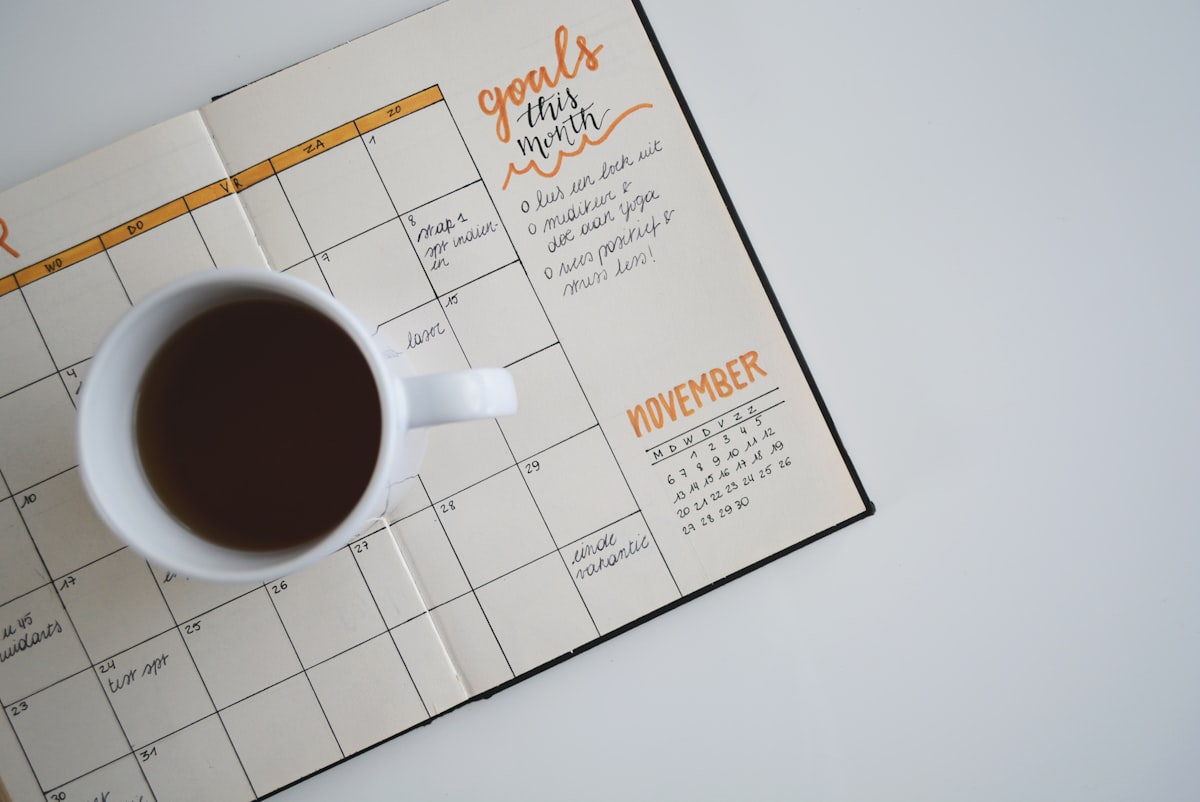
My old morning routine was basically: alarm, phone, scroll, stress, coffee, rush out the door.
By the time I got to work, my nervous system was already in overdrive. I'd spend the rest of the day trying to calm down from a morning that wound me up.
Changing my first hour made a bigger difference than I expected.
Why Mornings Matter So Much
Your nervous system state in the morning tends to set the tone for your day. Start activated and you stay activated. Start calm and you have more resilience for whatever comes.
The problem is that most modern morning habits are designed to activate us. Phones with notifications. News with alarming headlines. Rushing because we didn't leave enough time.
We don't do this on purpose. It's just the default.
What I Do Now
I've experimented with a lot of things. This is what stuck:
No Phone for the First 30 Minutes
This was the hardest change and the most impactful. When I reach for my phone first thing, I'm immediately reacting to other people's priorities. Emails, messages, news. All of it activates stress.
Now I leave my phone in another room. I don't even check it until after my morning routine is done. The first time I tried this, I felt anxious about what I might be missing. That feeling went away after about a week.
5 Minutes of Breathing
Right after I wake up, before I get out of bed, I do 5 minutes of slow breathing. Usually coherent breathing at 6 breaths per minute. Sometimes 4-7-8 if I'm still groggy.
This activates my parasympathetic nervous system before anything else has a chance to activate the stress response. It's like getting a head start on calm.
Natural Light
I open the blinds or step outside briefly. Morning light helps regulate your circadian rhythm and cortisol levels. It tells your body what time it is.
I used to stay in dim rooms until I left for work. Now I make a point to get bright light early.
Movement Before Screens
Even just 5-10 minutes of stretching or walking. Movement helps your body release any residual tension from sleep and gets your energy flowing.
I don't do intense workouts in the morning. That's too activating for me. But gentle movement works great.
Cold Water
I end my shower with cold water for about a minute. This gives me an alertness boost without the jitters of caffeine. I covered this more in my cold showers post, but the morning is when I find it most valuable.
Calm Input
When I do eventually look at my phone or computer, I try to start with something calm. Not news, not email, not social media. Maybe a podcast, an audiobook, or just music while I eat breakfast.
The first input of the day seems to prime the rest. Starting with stressful content puts me in reactive mode.
What I Stopped Doing
Some habits I dropped:
Phone as alarm. Now I use a regular alarm clock. Having my phone in the bedroom was too tempting.
Checking email in bed. Nothing good comes from this. It just starts the stress cycle earlier.
Rushing. I wake up 30 minutes earlier than I used to. That buffer makes everything feel less pressured.
News first thing. I still read news, just not before 10am. The world doesn't need my stress that early.
Coffee immediately. I wait about an hour after waking. This lets my natural cortisol awakening response work first. Coffee later in the morning feels more effective anyway.
A Sample Timeline
Here's roughly what my mornings look like now:
6:30 Wake up, 5 minutes breathing in bed
6:35 Get up, open blinds, drink water
6:40 Stretching or short walk
6:55 Shower with cold ending
7:10 Get dressed, calm breakfast with music or podcast
7:30 Check phone, handle anything urgent
7:45 Start work
This takes about an hour and fifteen minutes. I used to spend that time scrolling in bed and rushing. Now I spend it setting myself up properly.
Making It Stick
Changes I made to help these habits stick:
Prepared the night before. Clothes laid out, alarm set, phone in the other room.
Started small. I didn't change everything at once. First just the phone thing. Then added breathing. Then cold showers. Took about a month to build the full routine.
Noticed the difference. Paying attention to how different mornings felt helped me stay motivated. Days where I skipped the routine were noticeably worse.
Didn't aim for perfect. Some mornings I cut it short. Some mornings I skip the cold water. That's fine. The goal is consistency, not perfection.
The Results
After a few weeks of this:
- I arrive at work calmer
- I'm less reactive to morning emails
- My baseline anxiety is lower
- I have more energy without depending on coffee as much
- I sleep better because my circadian rhythm is more regulated
The biggest shift is that my day feels like it starts on my terms, not determined by whatever's in my inbox.
Adjusting for Your Life
You don't have to do exactly what I do. The principles matter more than the specific practices:
- Delay phone/screens
- Do something that activates the parasympathetic system (breathing, stretching)
- Get natural light
- Move your body gently
- Control your first inputs
Find what works in your schedule and preferences.
If the breathing part feels like it would be easier with guidance, that's exactly what VagusVital is for. The Daily Quick Start and Energy Boost programs are perfect for mornings, with voice cues and timers. 5 programs are free. Check it out and make the breathing part of your morning automatic.